 Sandra
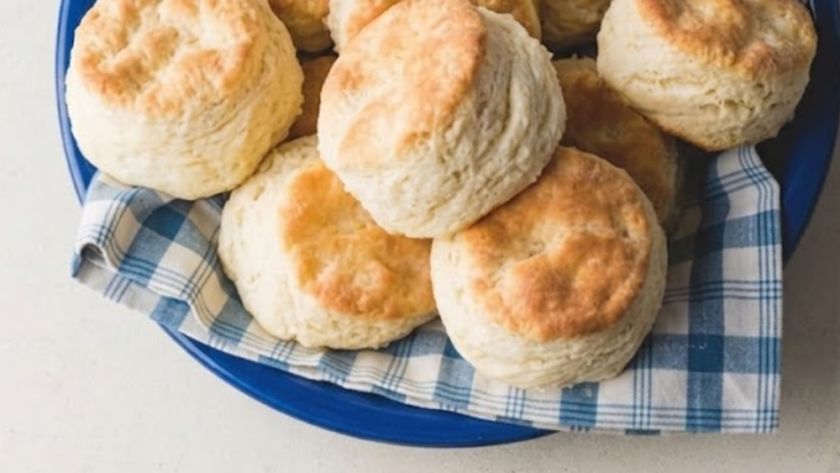
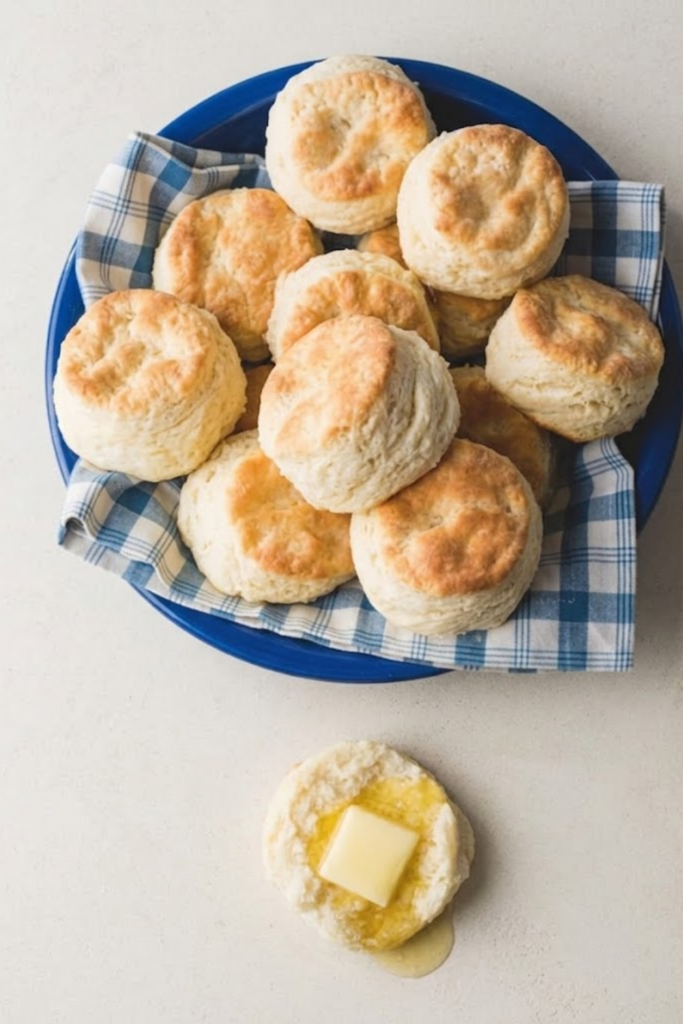
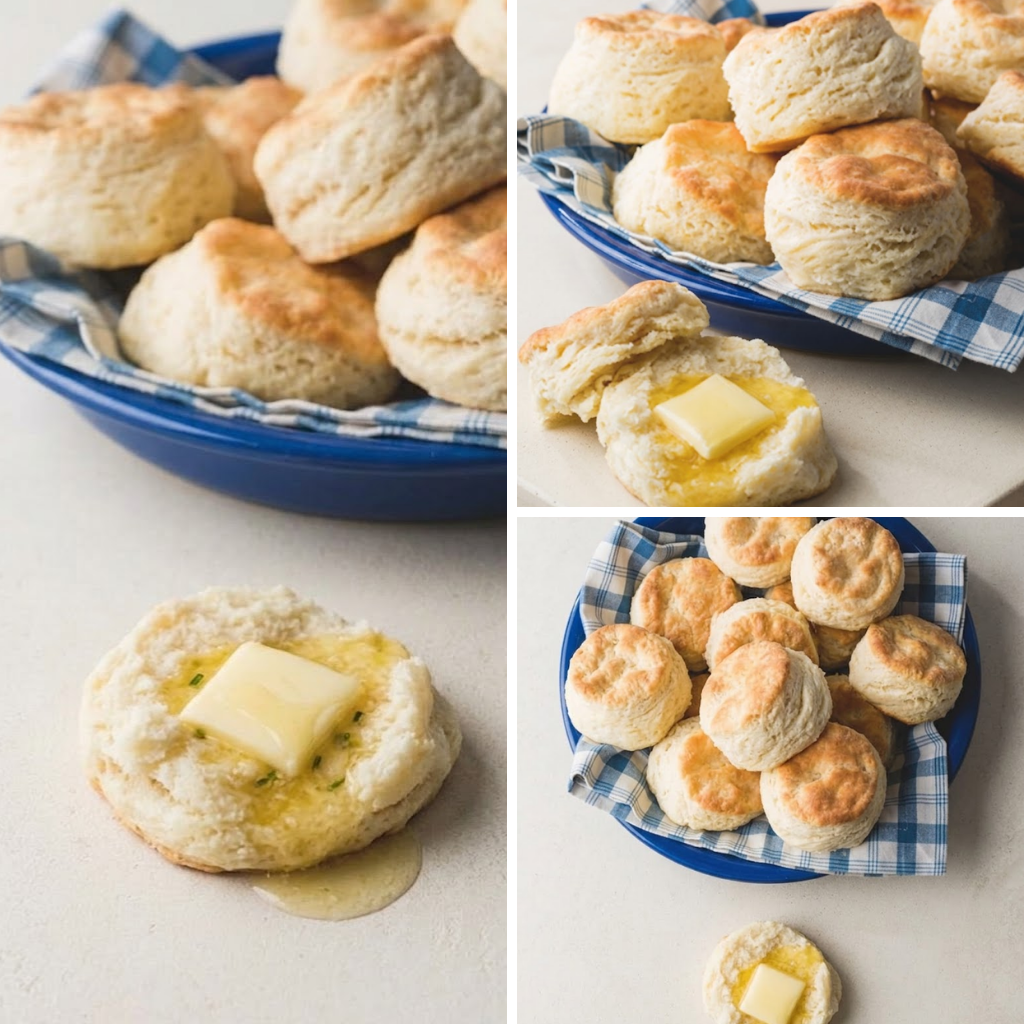
 Paula Deen’s buttermilk biscuits use self-rising flour, cold unsalted butter, and whole buttermilk. The dough rolls to 1 inch thick, a 2½-inch round cuts each biscuit, and they bake at 425°F for 20 to 25 minutes. Prep takes 20 minutes and the recipe makes 12 biscuits.
Paula Deen, author of Paula Deen’s Southern Baking, cubes the butter and freezes it briefly before cutting it into the flour. Cold butter stays in distinct pieces through mixing, and each piece releases steam in the oven that forces the layers apart. Warm butter blends into the flour and produces no steam.
Placing the biscuits with their sides touching on the pan is what drives height. Each biscuit pushes against its neighbors, and with nowhere to spread outward, the dough rises straight up. Spaced biscuits have room to spread sideways and come out flatter
Paula Deen Buttermilk Biscuits Recipe
Description
Paula Deen Buttermilk Biscuits Recipe: self-rising flour, cold unsalted butter, and whole buttermilk. Bakes at 425°F for 20 to 25 minutes, makes 12 biscuits.
Ingredients
Dough
Finish
Instructions
- Whisk together the self-rising flour, sugar, and salt in a large bowl. Add the cold cubed butter and cut it in until the mixture resembles coarse crumbs with some pea-sized pieces remaining.
- Pour in the cold buttermilk and stir until a shaggy dough forms. Turn the dough out onto a lightly floured surface and fold it 3 or 4 times until it comes together; stop as soon as the dough holds.
- Pat or roll the dough to 1 inch thick. Cut straight down with a 2½-inch round cutter without twisting, then place the biscuits with sides touching on a parchment-lined baking sheet. Brush the tops with melted butter.
- Bake at 425°F for 20 to 25 minutes, until the tops are golden brown. Serve with butter.
FAQs
Why does this recipe call for self-rising flour instead of all-purpose?
Self-rising flour already contains baking powder and salt, which simplifies measuring and produces a consistent leavening ratio across batches. All-purpose flour works as a substitute if you add 1½ teaspoons of baking powder and ¼ teaspoon of salt per cup. Even small measurement errors shift the rise, so self-rising flour removes that variable.
Why do my biscuits come out flat even when I follow the recipe?
Flat biscuits almost always trace back to butter that was too warm before it went into the flour. Warm butter melts into the dough during mixing, leaving no fat pockets to release steam in the oven. Chill the cubed butter in the freezer for 10 minutes before starting.
How much should I handle the dough after the buttermilk goes in?
Four folds after the buttermilk comes in is the working limit for this dough. Overworking develops the starches in the flour, tightening the crumb and producing a tough, dense biscuit rather than a tender one. Stop folding as soon as the dough holds together, even if the surface still looks rough.
What is the most natural thing to serve alongside these biscuits?
Biscuits and gravy is the most natural pairing for a Southern breakfast, and these biscuits split cleanly for spooning. A Paula Deen sausage gravy on this site uses ground breakfast sausage and whole milk and comes together in under 20 minutes. Both cook at the same time for a full table without extra planning.
How do these fit into a larger breakfast spread?
These biscuits hold up alongside eggs, meat, and fruit without going soggy on the plate. A Paula Deen breakfast casserole on this site uses eggs, sausage, and cheese and bakes while the biscuits cool. Timing both gives a full breakfast spread without running the kitchen past one round of cleanup.