 Sandra
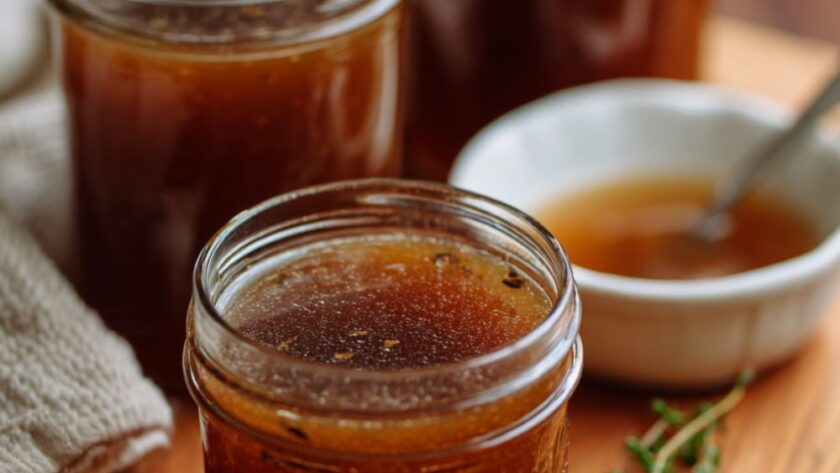
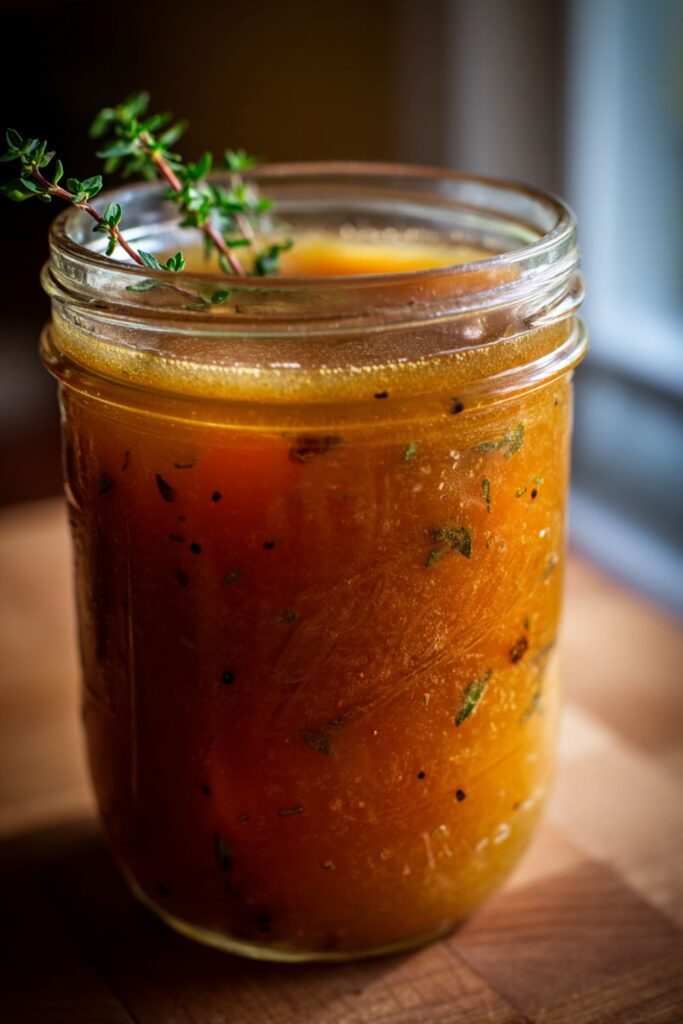
 Ina Garten Beef Stock Recipe is a rich American base made with roasted marrow bones and tomato paste. This deeply coloured liquid features onions, celery, and fresh thyme simmered slowly with whole peppercorns for a savoury finish.
The first time I made this, I rushed the roasting stage and the liquid looked pale and weak. Now I always wait until the bones are a dark, mahogany brown before they go into the pot. If you skip the roasting, you lose the caramelised depth that makes a proper stock stand on its own.
The tomato paste is doing more work than you’d think. Without it, the stock lacks that subtle tang and the dark, professional colour you see in restaurant sauces. I’ve found that adding the paste to the roasting pan for the last ten minutes helps it cook out and meld with the beef fats. I always make a massive batch of this in the autumn because it freezes so well.
Ina Garten Beef Stock Recipe Ingredients
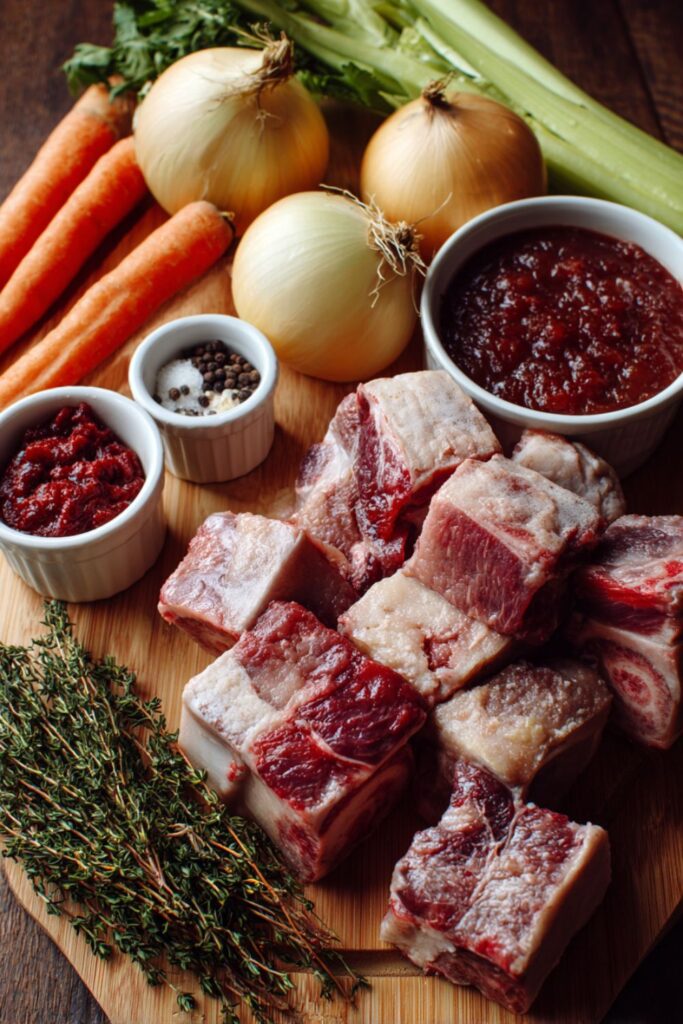
- 2.7kg (6lb) beef bones (mix of marrow, shank, and oxtails)
- 3 large yellow onions, quartered with skins on
- 4 large carrots, unpeeled and halved
- 4 celery stalks, halved
- 3 tbsp tomato paste
- 1 whole bulb garlic, halved across the middle
- 1 large bunch fresh parsley
- 10 sprigs fresh thyme
- 3 bay leaves
- 1 tbsp whole black peppercorns
- 1 tbsp kosher salt
- 6 to 8 litres (10 to 14 pints) cold water
How To Make Ina Garten Beef Stock Recipe
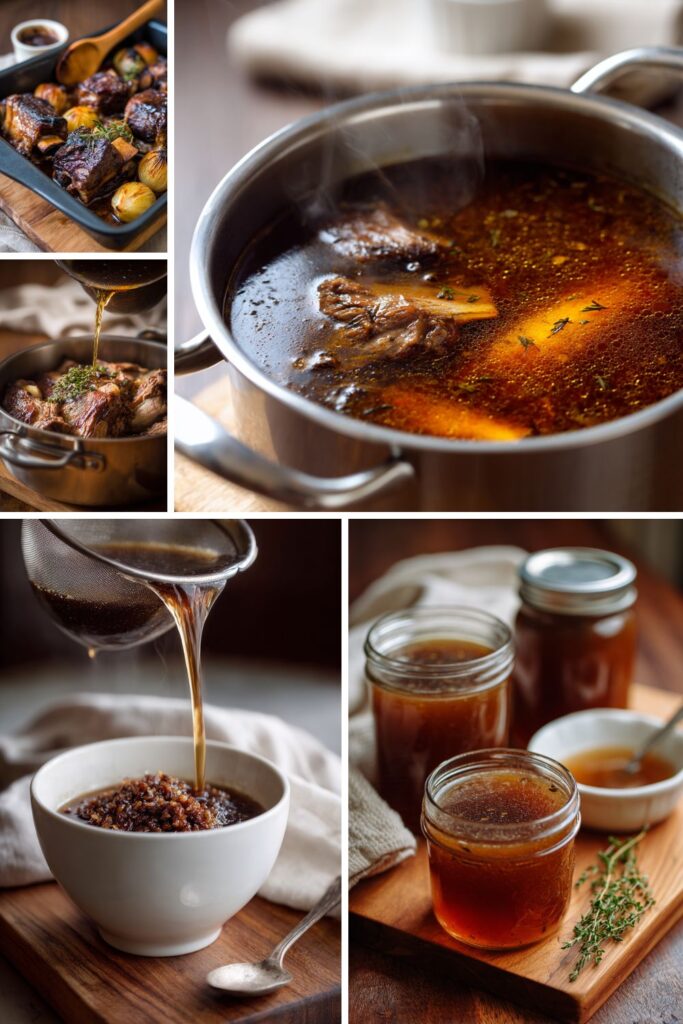
- Roast the bones and vegetables: Preheat your oven to 220°C (425°F/Gas Mark 7). Arrange the beef bones, onions, carrots, and celery in a single layer on a large roasting tin. Cook for 45 minutes, turning the bones once or twice, until they’re very dark brown and the vegetables have softened and charred at the edges.
- Transfer to the stockpot: Move all the roasted bones and vegetables into a large, deep stockpot using tongs. Pour a splash of water into the hot roasting tin and use a wooden spoon to scrape up every bit of the brown crust from the bottom. Pour these liquid bits into the stockpot too.
- Add aromatics and tomato paste: Stir in the tomato paste, garlic, parsley, thyme, bay leaves, peppercorns, and salt. Make sure the tomato paste is spread around so it doesn’t just sit in one clump at the bottom of the pot.
- Simmer the stock: Cover the ingredients with 6 to 8 litres (10 to 14 pints) of cold water until the pot is nearly full. Bring the liquid to a boil over a high hob, then immediately drop the heat to low so it just barely bubbles. Simmer uncovered for at least 6 hours, using a wide spoon to lift off any grey foam that floats to the top during the first hour.
- Strain the stock: Lift the large bones and vegetable chunks out with a slotted spoon and throw them away. Pour the remaining liquid through a fine sieve lined with greaseproof paper or a clean cloth into a large bowl. You want to remove every small bit of sediment to keep the liquid clear.
- Cool and store: Let the bowl sit at room temperature until it isn’t steaming, then put it in the fridge overnight. The next morning, lift off the solid layer of white fat that has formed on the surface before pouring the stock into smaller containers for the fridge or freezer.
Recipe Tips
- Use meaty bones. Marrow bones give you body and thickness, but oxtail and shank bones provide the actual beef flavour that stays on your tongue.
- Start with cold water. This helps the proteins and fats release slowly so the stock stays clear instead of turning cloudy or milky.
- Leave the onion skins on. The brown outer layers act like a natural dye and give your stock a deep, professional golden-brown colour.
- Do not boil rapidly. A violent boil emulsifies the fat into the water and makes the stock taste greasy and look muddy, so keep the heat very low.
- Skim the surface often. Removing the foam that rises at the start prevents bitter flavours from steeping into the liquid as it reduces.
- Chill before freezing. Always let the stock cool completely in the fridge so you can remove the fat cap before it goes into the freezer.
What To Serve With Beef Stock
This rich liquid is the best starting point for a deep French onion soup topped with toasted baguette and melted Gruyère. Use it as the base for a hearty beef stew or a spicy chilli to add a layer of meatiness you can’t get from cubes.
It works well for deglazing pans to make a quick gravy or a red wine reduction sauce for steak. You can also use it instead of water when cooking risotto or pearl barley to infuse the grains with savoury flavour.
How To Store Beef Stock
Fridge
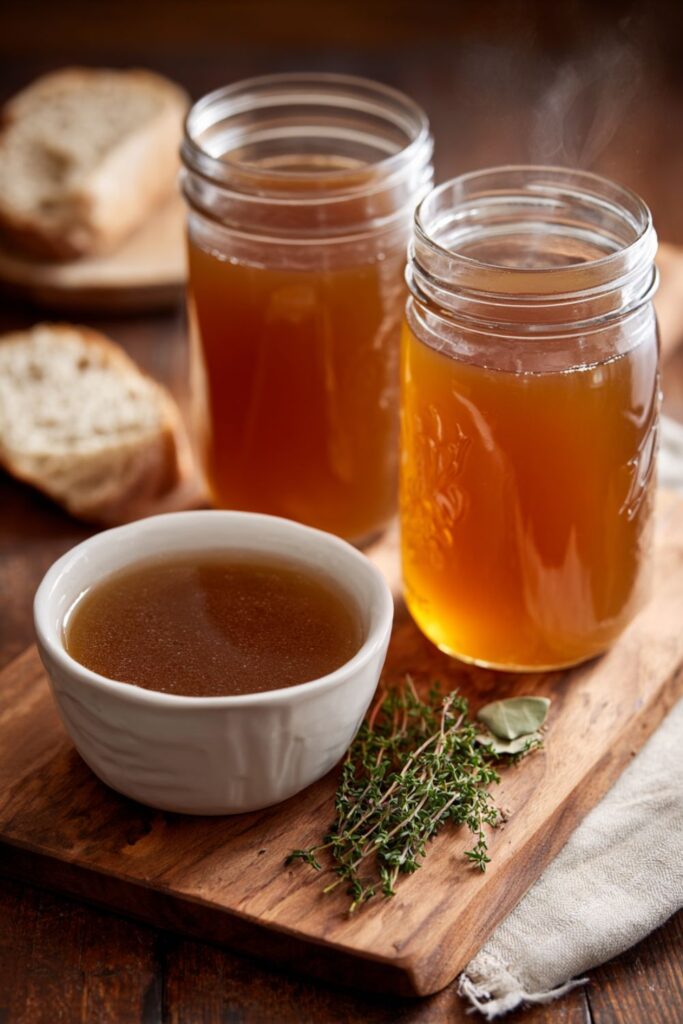
Pour the cooled stock into airtight glass jars or plastic containers and keep them in the fridge for up to 5 days. Make sure the lids are tight so the stock doesn’t absorb the smell of other foods.
Reheat
Warm the stock in a small saucepan over medium heat until it starts to simmer. If it has turned into a jelly in the fridge, don’t worry, as it will melt back into a liquid as soon as it hits the heat.
Freeze
Freeze the stock in measured portions like 250ml (9fl oz) bags or even in ice cube trays for smaller needs. It will stay fresh in the freezer for up to 3 months before the flavour starts to fade.
Ina Garten Beef Stock Recipe Nutrition Facts
Per serving (250ml):
- Calories: 40 kcal
- Protein: 5g
- Fat: 2g
- Carbohydrates: 2g
- Sugar: 1g
- Sodium: 350mg
Estimated. May vary based on ingredients and cooking methods.
FAQs
No, roasting is what creates the dark colour and the savoury crust that flavours the entire pot of liquid.
Stock is made primarily from bones and simmered for a long time to extract gelatine, whereas broth is usually made from meat and cooked for less time.
Yes, roast the bones in the oven first as usual, then put everything in the slow cooker on low for 10 to 12 hours.
Ina Garten Beef Stock Recipe
Description
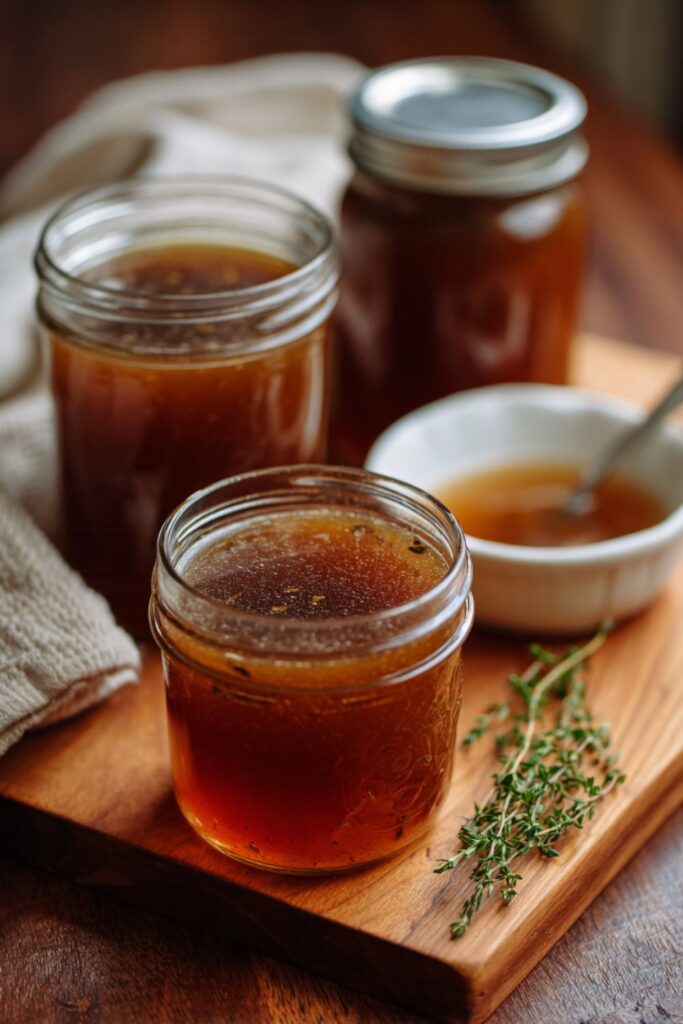
A dark and glossy homemade liquid extracted from roasted marrow bones and garden vegetables.
Ingredients
Instructions
- Roast bones and vegetables at 220°C (425°F/Gas Mark 7) for 45 minutes until very brown.
- Scrape everything into a large stockpot and add the browned bits from the pan.
- Add tomato paste, herbs, garlic, salt, and peppercorns to the pot.
- Cover with cold water and bring to a simmer over low heat.
- Cook uncovered for 6 hours whilst skimming any foam from the surface.
- Strain through a fine sieve and chill overnight to remove the fat.