 Sandra
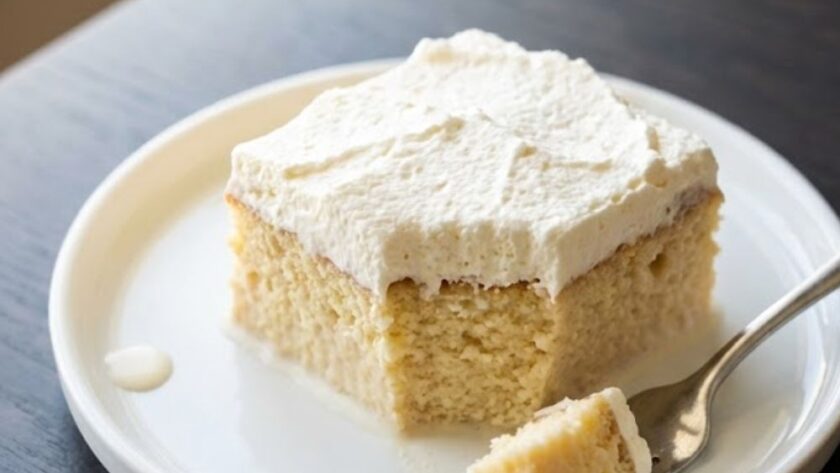
 This ultra-moist, decadent Alton Brown Tres Leches Cake is made with a sturdy butter sponge, three types of milk, and fresh whipped cream, ready in roughly 9 hours. The magic happens when the airy cake drinks up the sweet glaze, transforming into a custard-like dessert that holds its shape without becoming mushy. I learned that patience during the overnight soak is the only way to get that perfect texture.
The Secret To Getting It Right
I used to think any yellow cake would work for tres leches, but Alton Brown’s approach taught me otherwise. The secret lies in the structure of the cake itself; unlike traditional airy sponge cakes that can dissolve under the weight of the liquid, Alton uses a butter-based cake with a high ratio of eggs. This creates a crumb that is strong enough to hold the heavy milk mixture while still being porous enough to absorb every drop.
Another crucial lesson was the discipline of the soak. It is tempting to slice into it after an hour, but the liquid needs time to redistribute from the bottom of the pan back up through the cake. I found that waiting the full 8 hours (or overnight) results in a consistent, pudding-like texture from edge to edge, rather than a soggy bottom and dry top.
Alton Brown Tres Leches Cake Ingredients
For the Cake:
- 6 3/4 ounces cake flour (approx. 1 1/2 cups), plus extra for pan
- 1 teaspoon baking powder
- 1/2 teaspoon kosher salt
- 4 ounces unsalted butter, room temperature
- 8 ounces sugar (approx. 1 cup)
- 5 large eggs
- 1 1/2 teaspoons vanilla extract
For the Glaze:
- 1 (12-ounce) can evaporated milk
- 1 (14-ounce) can sweetened condensed milk
- 1 cup half-and-half
For the Topping:
- 2 cups heavy cream
- 8 ounces sugar
- 1 teaspoon vanilla extract

How To Make Alton Brown Tres Leches Cake
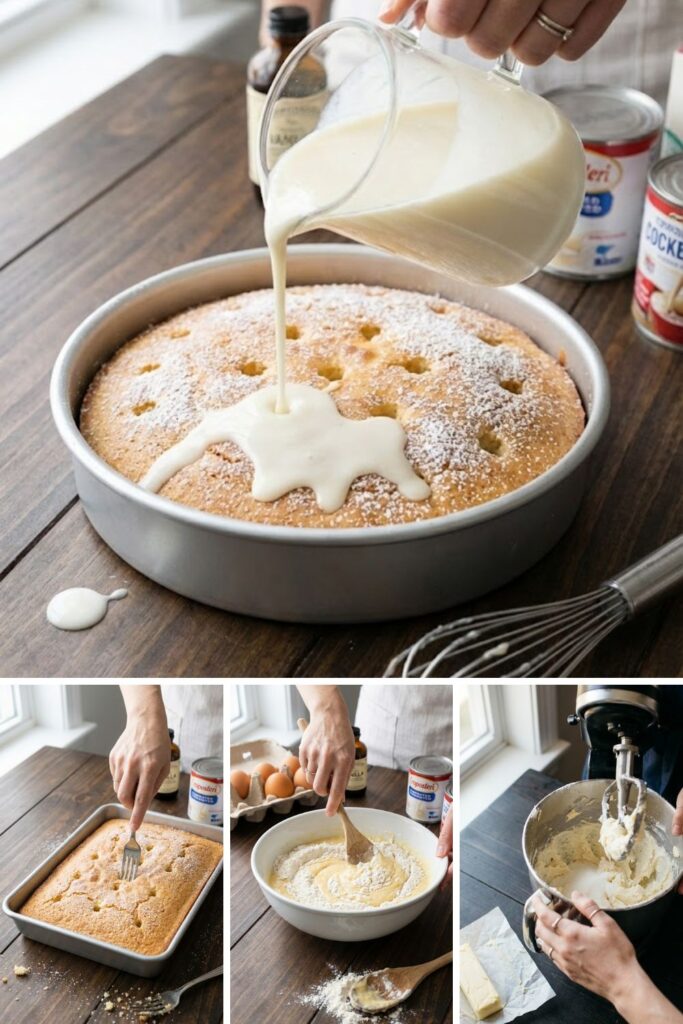
- Prep and Preheat: Preheat your oven to 350°F. Lightly oil and flour a 9×13-inch metal baking pan, shaking out any excess flour.
- Whisk Dry Ingredients: In a medium mixing bowl, whisk together the weighed cake flour, baking powder, and salt until well combined. Set this aside.
- Cream Butter and Sugar: Place the room temperature butter in the bowl of a stand mixer fitted with the paddle attachment. Beat on medium speed until fluffy (about 1 minute). Reduce speed to low and gradually add the 8 ounces of sugar.
- Add Eggs and Vanilla: With the mixer running, add the eggs one at a time, ensuring each is fully incorporated before adding the next. Pour in the vanilla extract and mix to combine.
- Combine Batter: Add the flour mixture to the wet ingredients in three batches, mixing just until combined. Scrape the bottom of the bowl to ensure no dry pockets remain.
- Bake the Cake: Pour the batter into the prepared pan and spread it evenly. Bake on the middle rack for 20 to 25 minutes, or until the cake reaches an internal temperature of 200°F and is lightly golden.
- Cool and Poke: Remove the cake from the oven and let it cool on a rack for 30 minutes. Once cooled, use a fork or skewer to poke holes all over the top of the cake.
- Soak the Cake: Whisk together the evaporated milk, sweetened condensed milk, and half-and-half. Pour this glaze slowly over the entire cake. Cover and refrigerate for at least 8 hours or overnight.
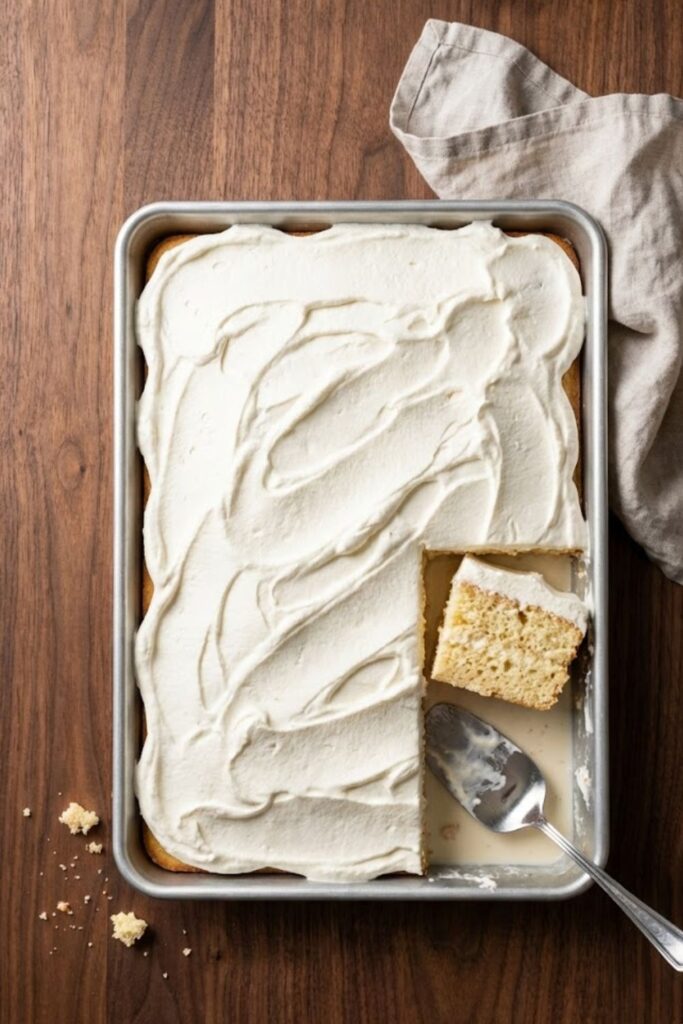
- Whip and Top: Before serving, whip the heavy cream, sugar, and vanilla in a stand mixer until thick. Spread the topping evenly over the cold, soaked cake.
Recipe Tips
- Weigh Your Flour: Alton Brown is famous for precision. Using exactly 6 3/4 ounces of cake flour ensures the structure is light but durable. Scooping with a cup can lead to too much flour and a dense cake.
- Room Temperature Ingredients: Ensure your butter and eggs are at room temperature before mixing. This allows them to emulsify properly, creating a batter that rises evenly in the oven.
- Don’t Rush the Soak: The cake might look like it’s drowning initially, but give it time. The overnight rest is non-negotiable for the texture to set into that classic tres leches consistency.
- Poke Deeply: When perforating the cake, make sure your fork or skewer goes all the way to the bottom so the milk can penetrate the entire depth of the crumb.
What To Serve With Tres Leches Cake
This cake is incredibly rich and sweet, so I recommend serving it with fresh berries like strawberries or raspberries. The natural acidity of the fruit cuts through the creamy sweetness and adds a nice textural contrast. A cup of strong, black coffee or espresso is also the perfect partner to balance the sugar.

How To Store
Because this cake contains dairy in the soak and the topping, it must be kept refrigerated. It will stay fresh and delicious for up to 3 to 4 days in the fridge. I do not recommend freezing this cake once it has been soaked, as the texture can become grainy upon thawing.
FAQs
Can I use all-purpose flour instead of cake flour?
It is not recommended. Cake flour has a lower protein content, which produces a finer, lighter crumb. All-purpose flour can make the sponge too tough and chewy, interfering with how it absorbs the milk.
Why is my cake soggy at the bottom?
If the cake is soggy only at the bottom, it likely didn’t rest long enough for the liquid to redistribute, or the cake was underbaked. Ensure the internal temperature reaches 200°F before removing it from the oven.
Can I make this cake ahead of time?
Yes, this is actually the perfect make-ahead dessert. Making it a full day in advance allows the flavors to meld and the texture to perfect itself, making it ideal for parties.
Can I add rum to the soak?
While Alton’s base recipe doesn’t call for it, you can easily add a splash of rum or brandy to the three-milk mixture for a more traditional flavor profile. Start with 1-2 tablespoons.
Nutrition
- Calories: 350 kcal
- Total Fat: 18g
- Saturated Fat: 11g
- Cholesterol: 95mg
- Sodium: 160mg
- Total Carbohydrate: 42g
- Protein: 6g
Try More Recipes:
- Alton Brown Devil’s Food Cake Recipe
- Alton Brown Angel Food Cake Recipe
- Alton Brown Red Velvet Cake Recipe
Alton Brown Tres Leches Cake Recipe
Description
A technically precise version of the classic Latin American “three milks” cake, utilizing a sturdy-yet-tender sponge designed to absorb over a quart of liquid while maintaining its structural integrity.
Ingredients
For the Cake:
For the Glaze:
For the Topping:
Instructions
- Preheat the oven to 350°F and prepare a 9×13-inch metal baking pan by lightly oiling and dusting it with flour to ensure easy removal.
- Whisk the cake flour, baking powder, and salt in a medium bowl until the leavening agents are perfectly distributed throughout the starch.
- Cream the butter in a stand mixer for 1 minute before gradually adding the 8 ounces of sugar, beating until the mixture is highly aerated and pale.
- Incorporate the eggs one at a time, followed by the vanilla, ensuring the emulsion remains stable before adding the dry ingredients in three distinct batches.
- Bake the batter for 20 to 25 minutes until the internal temperature reaches exactly 200°F, which ensures the crumb structure is strong enough to support the upcoming soak.
- Poke holes across the entire surface of the cake using a fork or skewer after it has cooled for 30 minutes; this increases the surface area for the glaze to penetrate.
- Whisk the evaporated milk, sweetened condensed milk, and half-and-half together, then pour the mixture slowly over the cake, allowing it to pool and disappear into the sponge.
- Refrigerate the cake for at least 8 hours (or overnight) to allow the liquid to fully migrate into the center of the cake fibers.
- Whip the heavy cream, remaining sugar, and vanilla until stiff peaks form, then spread it over the chilled cake just before serving.
Notes
- Utilizing cake flour is essential; its low protein content (approx. 7-8%) results in less gluten development, creating a delicate but absorbent crumb that acts like a sponge without becoming gummy when saturated.
- Poking holes while the cake is slightly warm but set (around 30 minutes post-bake) allows the “Tres Leches” mixture to move via capillary action deep into the cake. If the cake is too hot, the crumb may collapse; if too cold, the sugars in the milk won’t penetrate as deeply.
- The 8-hour resting period is a critical phase of osmotic equilibrium. During this time, the milk mixture moves from the high-moisture channels (the poked holes) into the lower-moisture cell walls of the cake, resulting in a uniform texture that “bleeds” milk only when pressed with a fork.